
Cosmetic Surgery in 2026: Complete Guide to Procedures, Costs, Risks & Recovery
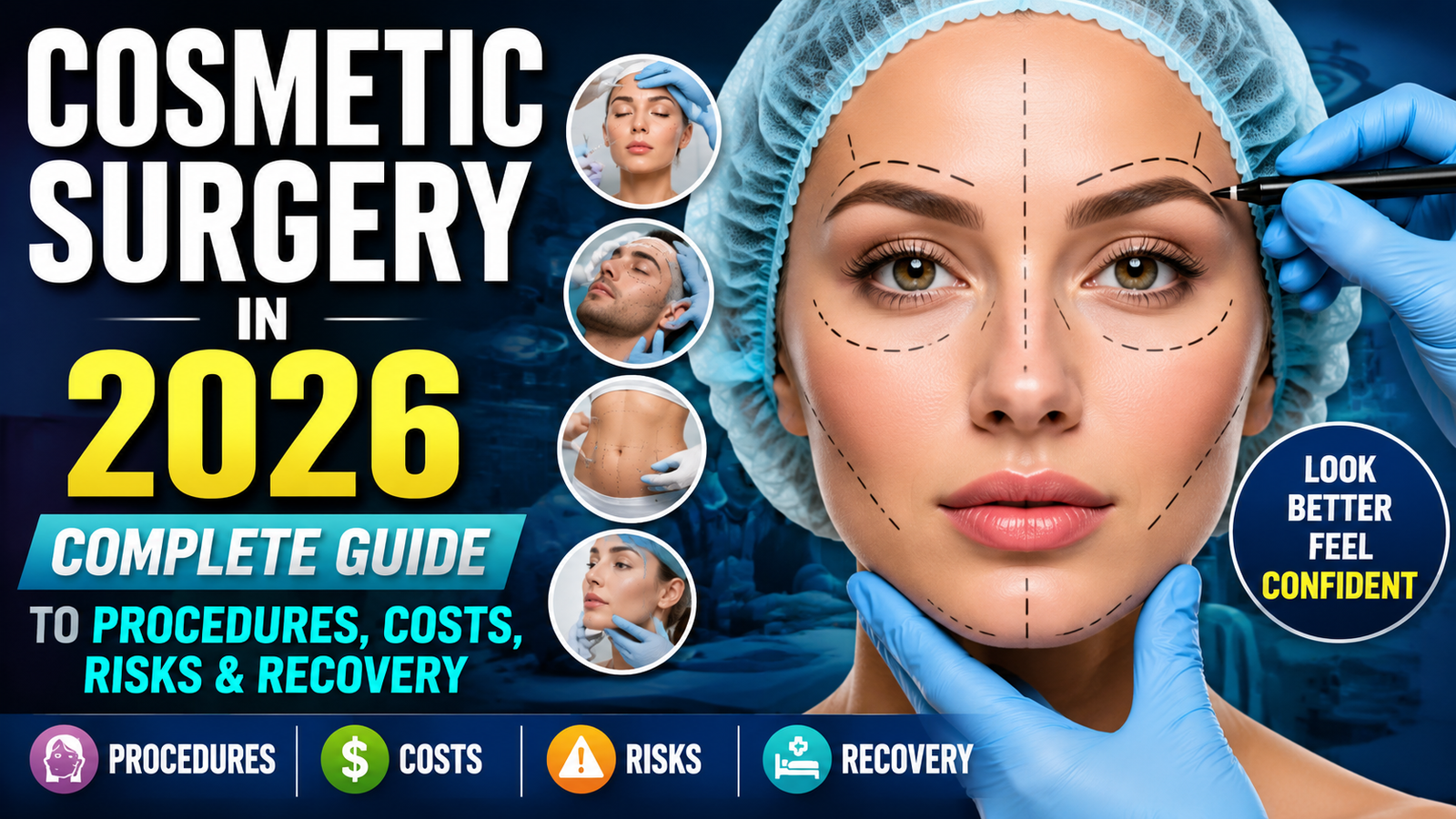
Cosmetic surgery has undergone a remarkable transformation in recent years — evolving from a taboo subject whispered about in private to an openly discussed, widely accepted dimension of modern healthcare and personal lifestyle choice. In 2026, the global cosmetic surgery industry is valued at hundreds of billions of dollars and continues to grow as technology advances, safety improves, costs become more accessible, and cultural attitudes toward aesthetic enhancement become increasingly normalized. Whether you are considering a major surgical procedure or exploring minimally invasive treatments, this cosmetic surgery guide 2026 provides everything you need to make fully informed, safe, and personally meaningful decisions about your appearance and self esteem.
🌟 What Is Cosmetic Surgery?
Cosmetic surgery encompasses surgical and non-surgical procedures designed to enhance, reshape, or improve the appearance of specific body features. Unlike reconstructive surgery — which restores form and function following injury, disease, or birth defects — cosmetic surgery is elective and performed primarily for aesthetic improvement.
In 2026, the field of cosmetic surgery spans an extraordinarily broad spectrum:
Surgical Procedures:
- Rhinoplasty (nose reshaping)
- Breast augmentation, reduction, and lift
- Abdominoplasty (tummy tuck)
- Liposuction and body contouring
- Facelift and neck lift
- Blepharoplasty (eyelid surgery)
- Brow lift
- Ear surgery (otoplasty)
- Brazilian butt lift (fat transfer)
- Body implants
Non-Surgical & Minimally Invasive Treatments:
- Botulinum toxin (Botox) injections
- Dermal fillers (hyaluronic acid, collagen stimulators)
- Laser skin care treatments
- Chemical peels
- Microneedling with radiofrequency
- Thread lifts
- Non-surgical fat reduction (CoolSculpting, Kybella)
- Platelet-rich plasma (PRP) therapy
- Cosmetic dental care procedures
📈 Cosmetic Surgery Trends in 2026
The cosmetic surgery landscape is constantly evolving. Key trends shaping the industry in 2026 include:
Natural-Looking Results The era of obviously overdone procedures is giving way to a strong preference for subtle, natural enhancements that preserve unique facial characteristics while improving specific concerns. Skilled surgeons in 2026 are artists who enhance rather than alter.
Non-Surgical Revolution Advances in injectable beauty treatments, energy-based devices, and regenerative medicine are enabling impressive results without surgery, downtime, or surgical risks. Non-surgical cosmetic procedures now outnumber surgical ones globally.
Personalized Medicine Genetic testing, AI imaging, and advanced diagnostics are enabling truly personalized cosmetic surgery planning tailored to each patient’s unique anatomy, aging patterns, and aesthetic goals.
Male Cosmetic Surgery Growth Men now represent one of the fastest-growing patient demographics in cosmetic surgery, seeking procedures including rhinoplasty, gynecomastia correction, liposuction, and non-surgical skin care treatments.
Regenerative Techniques Stem cell therapies, PRP treatments, and growth factor applications are transforming both surgical and non-surgical cosmetic medicine — harnessing the body’s own healing mechanisms for superior results.
Medical Tourism The global travel and tourism infrastructure supporting medical travel has made accessing world-class cosmetic surgery in international destinations increasingly practical and popular for cost-conscious patients.
🏥 Most Popular Cosmetic Surgery Procedures in 2026
Rhinoplasty (Nose Job) Consistently among the most requested cosmetic surgery procedures globally, rhinoplasty reshapes the nose to improve proportion, symmetry, and airway function. The 2026 trend strongly favors subtle refinement over dramatic change.
Breast Augmentation Breast enhancement through implants or fat transfer remains the most performed cosmetic surgery procedure worldwide. Modern silicone and highly cohesive gel implants deliver natural-feeling results with improved safety profiles.
Liposuction Targeted removal of stubborn fat deposits from abdomen, flanks, thighs, arms, and neck areas is consistently among the top cosmetic surgery procedures requested by both women and men seeking body contouring alongside weight loss lifestyle efforts.
Facelift (Rhytidectomy) Surgical facial rejuvenation addresses deep facial laxity, jowling, and neck bands that non-surgical treatments cannot adequately correct. Modern facelift techniques in 2026 deliver natural, long-lasting results with reduced recovery times.
Blepharoplasty (Eyelid Surgery) Correcting drooping or puffy eyelids dramatically rejuvenates the eye area and overall facial appearance. Both upper and lower lid procedures are extremely popular in 2026 cosmetic surgery practices.
Abdominoplasty (Tummy Tuck) Post-pregnancy or post-weight loss body restoration through tummy tuck surgery addresses loose skin and muscle separation that diet and exercise cannot correct. It is frequently combined with liposuction in body contouring procedures.
Botox & Dermal Fillers Non-surgical injectable treatments remain the most performed aesthetic procedures globally by an enormous margin. Botox relaxes dynamic wrinkles while dermal fillers restore volume, define contours, and rejuvenate aging facial structures.
⚠️ Risks & Safety Considerations
Every surgical procedure carries inherent risks, and cosmetic surgery is no exception. Informed patients understand that potential complications include:
- Anesthesia reactions
- Infection at the surgical site
- Bleeding and hematoma formation
- Scarring and poor wound healing
- Asymmetry and dissatisfaction with results
- Nerve damage and altered sensation
- Deep vein thrombosis (DVT) in longer procedures
- Revision surgery requirements
Minimizing Your Risk: The single most important factor in cosmetic surgery safety is the qualifications and experience of your surgeon. Always verify board certification, procedure-specific training and volume, hospital privileges, and accredited surgical facility credentials. Never choose a cosmetic surgery provider primarily on the basis of low cost.
💰 Understanding Cosmetic Surgery Costs in 2026
Cosmetic surgery costs vary enormously based on procedure complexity, surgeon experience, geographic location, facility fees, and anesthesia costs. In 2026, approximate ranges include:
- Rhinoplasty: $5,000 — $15,000+
- Breast Augmentation: $6,000 — $12,000+
- Liposuction: $3,000 — $10,000+
- Facelift: $10,000 — $25,000+
- Tummy Tuck: $8,000 — $15,000+
- Botox: $300 — $1,500 per session
- Dermal Fillers: $600 — $2,000+ per syringe
Insurance Coverage: Elective cosmetic surgery procedures are generally not covered by insurance. However, certain procedures with functional components — rhinoplasty for breathing obstruction, eyelid surgery for vision impairment, breast reduction for back pain — may qualify for partial insurance coverage. Always verify your insurance position and understand your medical billing obligations before proceeding.
Financing Options: Many cosmetic surgery practices offer patient financing through medical credit programs. Carefully evaluate interest rates and repayment terms, and ensure monthly payments align with your personal finance budget.
🛌 Recovery Planning for Cosmetic Surgery
Proper recovery planning is as important as choosing the right procedure and surgeon. Key cosmetic surgery recovery tips include:
Plan Recovery Time Realistically — Different procedures require very different recovery periods. Minor non-surgical treatments may allow immediate return to normal activity, while major surgeries like facelift or tummy tuck may require 2-4 weeks of restricted activity.
Arrange Support — Plan for a trusted person to drive you home, stay with you for the first 24-48 hours, and assist with basic activities during early recovery.
Follow Post-Operative Instructions Precisely — Your surgeon’s post-operative care instructions are not suggestions — they are essential protocols that directly determine your outcome and minimize complication risk.
Optimize Nutrition — Supporting healing through excellent nutrition — adequate protein, vitamins C and E, zinc, and sufficient calories — accelerates recovery and improves outcomes.
Avoid Smoking — Smoking dramatically impairs wound healing and increases complication rates in cosmetic surgery. Most surgeons require smoking cessation for 4-6 weeks before and after surgery.
Protect Results Long-Term — Sunscreen, quality skin care, healthy lifestyle habits, and maintaining stable weight protect and prolong cosmetic surgery results for years.
🧠 Cosmetic Surgery & Mental Health
Cosmetic surgery can deliver genuine improvements in self esteem and quality of life — but it is not a treatment for depression, body dysmorphic disorder, or deep psychological distress. Reputable surgeons always screen patients for realistic expectations and appropriate psychological motivation.
If you are considering cosmetic surgery, reflect honestly on your motivations. Are you seeking to enhance features you have always been self-conscious about? Or are you pursuing surgery to please someone else, recover from a difficult relationship, or fix unhappiness that runs deeper than appearance? Genuine self improvement and empowerment come from a secure psychological foundation — cosmetic surgery works best as an enhancement, not a rescue.
🏁 Conclusion
Cosmetic surgery in 2026 offers extraordinary possibilities for those who approach it with realistic expectations, thorough research, and a commitment to working with qualified, experienced professionals. Whether you are considering a transformative surgical procedure or exploring the remarkable results achievable through today’s non-surgical beauty treatments, this cosmetic surgery guide 2026 gives you the knowledge foundation to make decisions you will feel confident and happy about for years to come. Your appearance, your self esteem, and your safety all deserve the very best.