
Colon Rectal Cancer in 2026: Early Signs, Prevention, Treatment & Survival Guide
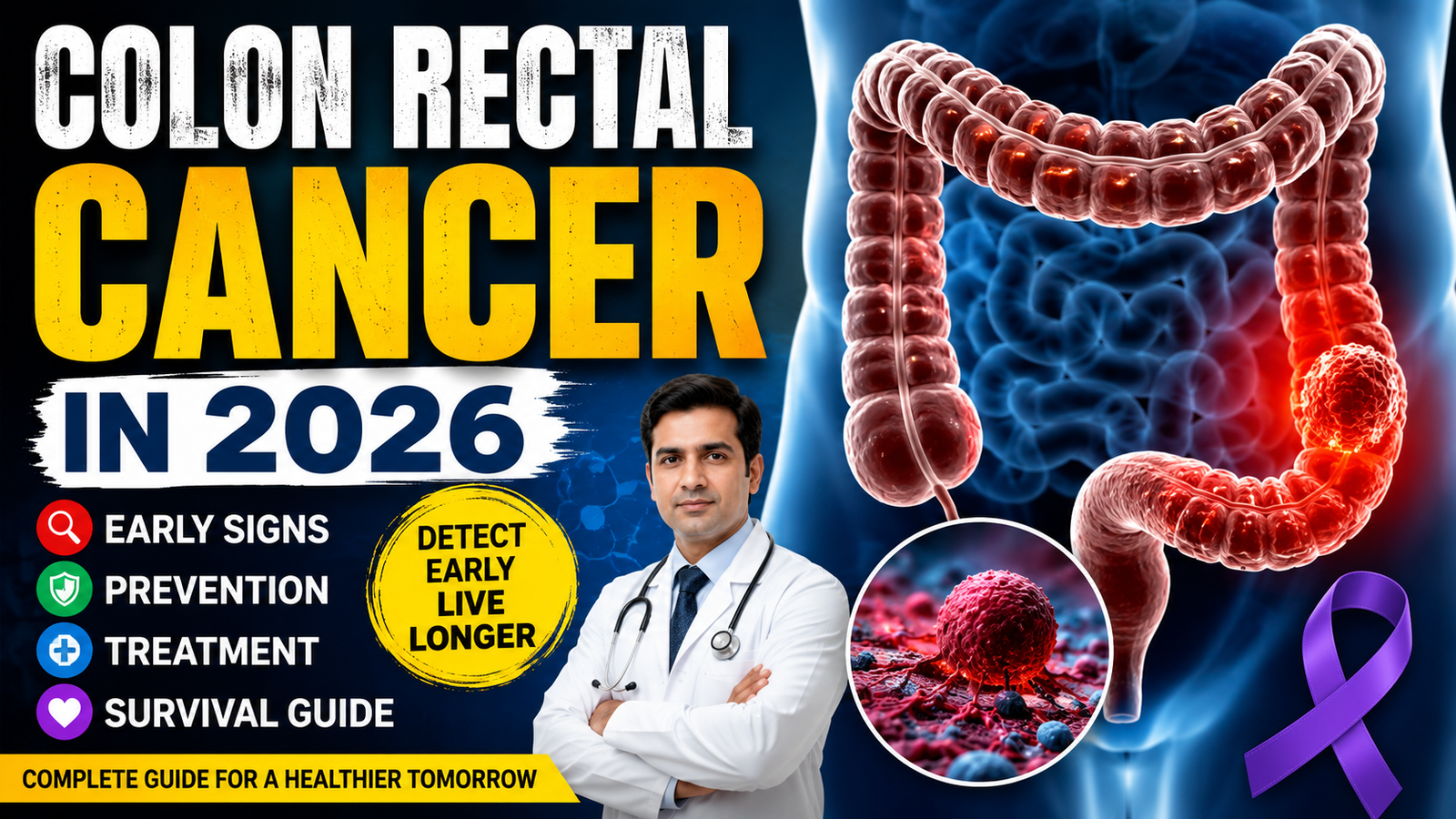
Colon rectal cancer — also called colorectal cancer — is one of the most commonly diagnosed cancers worldwide and the second leading cause of cancer-related deaths globally. Yet it is also one of the most preventable and treatable cancers when detected early. In 2026, advances in screening technology, surgical techniques, immunotherapy, and nutrition-based prevention strategies have dramatically improved outcomes for patients at every stage of diagnosis. Whether you are seeking to understand your personal risk, support a loved one, or navigate your own colon rectal cancer journey, this comprehensive guide covers everything you need to know with compassion, clarity, and up-to-date medical insight.
🔍 What Is Colon Rectal Cancer?
Colon rectal cancer refers to cancers that develop in the colon (large intestine) or rectum (the final section of the large intestine before the anus). Together, these cancers are classified as colorectal cancer and share many common characteristics in terms of risk factors, symptoms, screening methods, and treatments.
Most colorectal cancers begin as small, noncancerous growths called polyps that form on the inner lining of the colon or rectum. Over time — typically several years — certain polyps can develop into cancer. This slow progression is precisely what makes regular screening so powerful: catching and removing polyps before they become cancerous can prevent colon cancer entirely.
In 2026, colon rectal cancer affects men and women nearly equally, with risk increasing significantly after the age of 45. However, a concerning trend has emerged — rates of colorectal cancer in younger adults under 50 have been rising steadily, making awareness and early detection more important than ever.
⚠️ Early Warning Signs of Colon Rectal Cancer
One of the greatest challenges with colon rectal cancer is that early-stage disease often produces no symptoms at all. This is why routine screening is absolutely critical. However, when symptoms do appear, they may include:
Changes in Bowel Habits Persistent diarrhea, constipation, or a change in the consistency of your stool lasting more than a few weeks should always be evaluated by a physician.
Rectal Bleeding or Blood in Stool Bright red or very dark blood in the stool is one of the most significant warning signs of colon rectal cancer and should never be dismissed or assumed to be caused by hemorrhoids without medical evaluation.
Persistent Abdominal Discomfort Cramping, gas, bloating, or pain that does not resolve may indicate a problem in the colon or rectum.
Feeling That Bowel Does Not Empty Completely A persistent sensation that the bowel has not fully emptied after a bowel movement can signal rectal tumors.
Unexplained Weight Loss Significant, unintended weight loss without changes to diet or exercise habits can be a warning sign of multiple cancers including colon rectal cancer.
Fatigue & Weakness Chronic, unexplained fatigue — particularly when combined with iron-deficiency anemia — may indicate internal bleeding from a colorectal tumor.
Narrow Stool Stools that are consistently narrow or pencil-thin may indicate a blockage or narrowing in the rectum.
If you experience any of these symptoms persistently, consult a healthcare provider immediately. Early detection is the single most powerful factor in colon rectal cancer survival.
📊 Risk Factors for Colon Rectal Cancer
Understanding your personal risk profile empowers you to take proactive preventive action. Major risk factors for colorectal cancer include:
Age — Risk increases significantly after age 45. The majority of colon rectal cancer cases occur in people over 50.
Personal or Family History — A personal history of colorectal polyps or colon cancer, or a first-degree relative (parent, sibling, child) with colorectal cancer, significantly elevates your risk.
Inflammatory Bowel Disease — Conditions like Crohn’s disease and ulcerative colitis increase the risk of developing colon rectal cancer over time.
Genetic Syndromes — Hereditary conditions such as Lynch syndrome and familial adenomatous polyposis (FAP) substantially increase lifetime risk.
Diet — Diets high in red and processed meats and low in fiber, fruits, and vegetables are associated with increased colon cancer risk. Nutrition is a powerful modifiable risk factor.
Physical Inactivity — Sedentary lifestyles are linked to higher colorectal cancer risk. Regular exercise is one of the most effective preventive measures available.
Obesity — Excess body weight, particularly abdominal obesity, is a well-established risk factor for colon rectal cancer.
Smoking & Alcohol — Long-term tobacco use and heavy alcohol consumption both increase colorectal cancer risk.
Type 2 Diabetes — People with type 2 diabetes have a modestly elevated risk of colon rectal cancer.
🛡️ Prevention Strategies for 2026
The encouraging reality about colon rectal cancer is that a significant proportion of cases can be prevented through lifestyle modifications and regular screening:
Regular Screening Colonoscopy remains the gold standard for colorectal cancer screening, allowing physicians to detect and remove polyps before they become cancerous. Current guidelines recommend screening starting at age 45 for average-risk individuals. Alternative screening options include:
- FIT (Fecal Immunochemical Test) — Annual stool test
- Cologuard — Stool DNA test every 1-3 years
- CT Colonography (Virtual Colonoscopy) — Every 5 years
Nutritional Choices Adopting a nutrition-rich diet emphasizing fiber, fruits, vegetables, whole grains, and legumes while limiting red meat, processed foods, and alcohol significantly reduces colon cancer risk. Supplements including calcium, vitamin D, and folate have shown potential protective effects in research studies.
Regular Physical Exercise Research consistently demonstrates that regular exercise reduces colorectal cancer risk by 20-25%. Both aerobic activities and strength training contribute to this protective effect.
Maintaining Healthy Weight Achieving and maintaining a healthy body weight through balanced nutrition and regular activity reduces risk meaningfully.
Quitting Smoking Smoking cessation reduces colon rectal cancer risk progressively over time and delivers broad health benefits across multiple systems.
Aspirin — Low-dose aspirin has demonstrated potential colorectal cancer protective effects in certain high-risk populations. Always consult your physician before starting aspirin therapy.
💊 Treatment Options for Colon Rectal Cancer in 2026
Treatment for colon rectal cancer depends on the stage of the cancer, its location, and the patient’s overall health. Major treatment modalities in 2026 include:
Surgery Surgical removal of the tumor and surrounding tissue remains the primary treatment for localized colon rectal cancer. Minimally invasive laparoscopic and robotic surgical techniques have dramatically reduced recovery times and complications.
Chemotherapy Systemic chemotherapy uses powerful drugs to kill cancer cells throughout the body. It is often used before surgery (neoadjuvant) to shrink tumors or after surgery (adjuvant) to eliminate remaining cancer cells.
Radiation Therapy Used primarily for rectal cancer, radiation therapy targets the tumor with high-energy beams to destroy cancer cells. It is frequently combined with chemotherapy for enhanced effectiveness.
Targeted Therapy Drugs that target specific molecular features of colorectal cancer cells — such as VEGF or EGFR inhibitors — have become increasingly important in treatment plans for advanced disease.
Immunotherapy In 2026, immunotherapy — particularly checkpoint inhibitors — has transformed outcomes for colon rectal cancer patients whose tumors exhibit microsatellite instability (MSI-H). This represents one of the most exciting advances in modern oncology.
Palliative Care For advanced colorectal cancer that cannot be cured, palliative care focuses on managing symptoms, maintaining quality of life, and providing profound empowerment and emotional support to patients and families.
🤝 Support & Recovery
A colon rectal cancer diagnosis affects not just the patient but the entire family and community. Access to robust support systems dramatically improves outcomes and quality of life:
- Connect with colorectal cancer support groups — in-person and online communities provide invaluable emotional sustenance
- Work with a registered dietitian to optimize nutrition during and after treatment
- Engage with a mental health professional to address depression, anxiety, and psychological impacts of diagnosis
- Understand your insurance coverage and medical billing rights thoroughly
- Explore disability benefits and government service support programs available to cancer patients
🏁 Conclusion
Colon rectal cancer in 2026 is increasingly beatable — but only when caught early and treated aggressively. Do not wait for symptoms. Schedule your screening, adopt a preventive nutrition and exercise lifestyle, know your family history, and advocate loudly for your health. The knowledge in this colon rectal cancer guide 2026 could quite literally save your life. Early detection saves lives — please share this information with everyone you love.